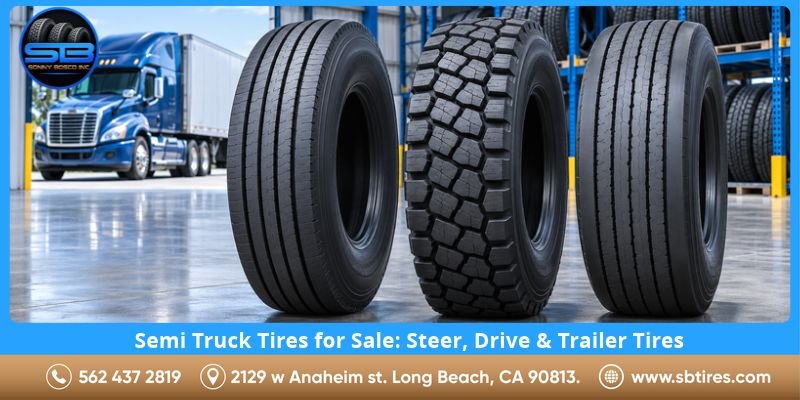
Managing tires across a commercial fleet involves more than replacing worn tread. Effective fleet tire management starts with selecting tires that match each vehicle’s axle position, load requirements, and operating conditions. At SONNY BOSCO, fleet managers and commercial tire buyers can explore tire products for their transportation needs. Browse the available options or contact our team at 562-437-2819 to discuss tire sizes, quantities, and product availability.
Commercial Truck Tires for Fleet Tire Management
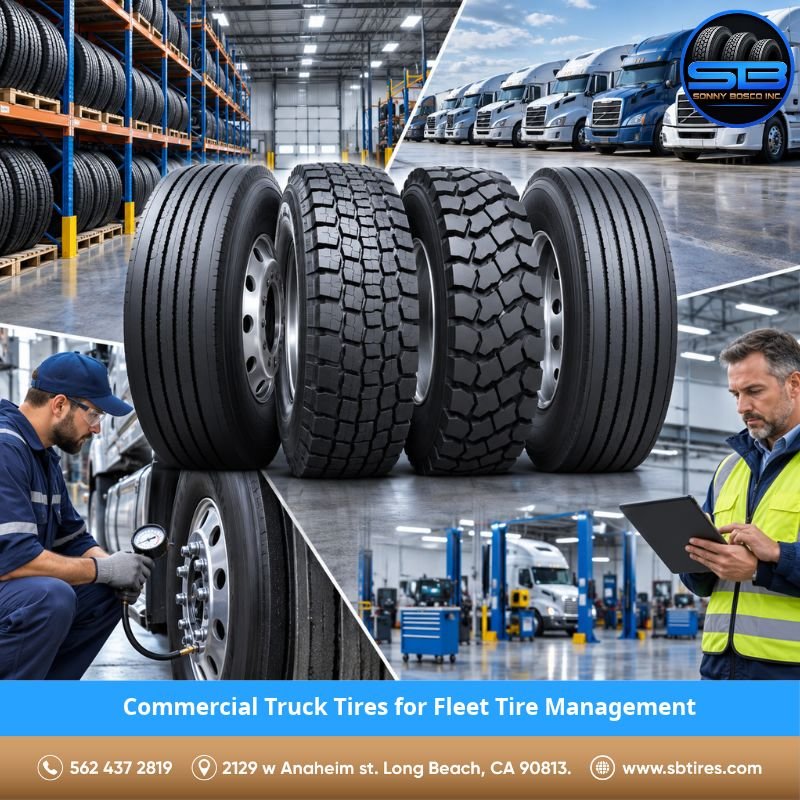
Commercial truck tires are designed for different axle positions, vehicle types, and operating environments. Choosing the right tire helps fleet operators manage wear, maintain vehicle performance, and plan replacements more effectively. Explore tire options by application and check individual product specifications before ordering.
Steer Tires for Commercial Trucks
Steer tires are installed on the front axle of commercial trucks and play an important role in directional control, handling, and vehicle stability.
When selecting steer tires, consider the following:
- Tread design: Rib-type patterns are commonly used for directional stability and consistent road contact.
- Wear characteristics: Irregular shoulder wear or uneven tread depth may indicate alignment or inflation problems.
- Load capacity: Tire ratings must meet the vehicle’s front axle load requirements.
- Common sizes: Examples include 11R22.5 and 295/75R22.5, depending on vehicle specifications.
Drive Tires for Heavy-Duty Fleets
Drive tires are mounted on powered axles and transmit engine torque to the road. Their tread design affects traction, wear performance, and suitability for different driving conditions.
Key considerations include:
- Traction: Tread blocks and grooves support grip during acceleration and on challenging road surfaces.
- Closed-shoulder patterns: Common in highway applications where stable wear characteristics and rolling resistance are important.
- Open-shoulder patterns: Often selected for applications requiring additional traction.
- Operating conditions: Highway mileage, regional routes, road surfaces, and load requirements influence tire selection.
Trailer Tires for Freight Transportation
Trailer tires support trailer loads and experience substantial lateral forces during turning and maneuvering. Selecting tires with suitable load capacity and wear characteristics is important for freight transportation.
Important selection factors include:
- Load rating: The tire must support the applicable load at the specified inflation pressure.
- Scrub resistance: Tight turns and maneuvering can accelerate tread wear.
- Sidewall condition: Contact with curbs, debris, and loading areas can cause damage.
- Trailer application: Dry vans, refrigerated trailers, flatbeds, and tankers may have different operating requirements.
Specialty and Heavy-Duty Tires
Some industrial vehicles and equipment operate in conditions that require tires designed for low-speed, heavy-load, or off-highway applications.
Depending on the equipment and tire construction, suitable options may include:
- Bias tires: Cross-ply construction is used in certain industrial and specialty tire applications.
- Heavy-duty applications: Tire requirements vary according to vehicle weight, load cycles, and working surfaces.
- Operating conditions: Gravel, debris, uneven pavement, and industrial yards can influence tire selection.
- Equipment compatibility: Rim specifications, load capacity, speed rating, and manufacturer recommendations must be checked.
Why Fleet Tire Management Matters for Commercial Fleets
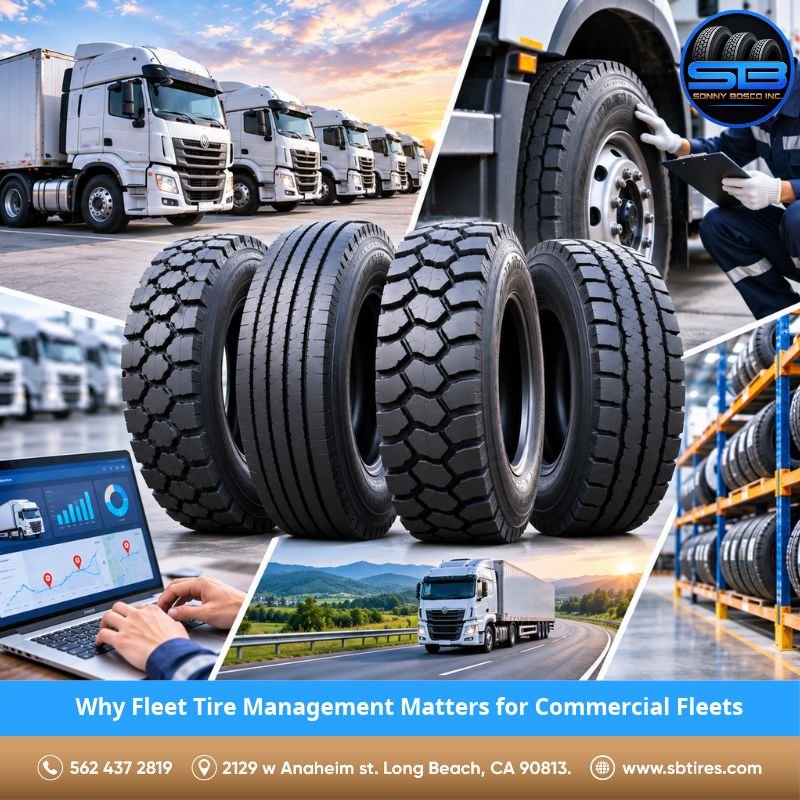
Effective fleet tire management helps transportation companies control operating expenses, improve vehicle safety, and reduce unexpected downtime. By monitoring tire condition and planning replacements, fleet managers can make better purchasing decisions and maintain more consistent fleet operations.
- Reduced Tire-Related Downtime: Identify worn or damaged tires early and schedule replacements to minimize unexpected roadside breakdowns.
- Lower Operating Costs: Monitor tire purchases, maintenance expenses, and replacement frequency to manage long-term fleet tire costs.
- Improved Road Safety: Maintain proper inflation pressure, inspect tread depth, and identify tire damage that could affect vehicle handling.
- Longer Tire Service Life: Address uneven wear, alignment issues, and inflation problems to help prevent premature tire replacement.
- Better Replacement Planning: Use inspection records, mileage, and tire condition to determine when replacements are needed.
- Efficient Tire Inventory Management: Track commonly used tire sizes, specifications, and stock levels to support timely replacements.
How to Choose the Right Tires for Your Fleet

Choosing the right commercial truck tires requires evaluating vehicle specifications, axle positions, and operating conditions. Fleet managers should also consider tire durability and long-term costs to ensure each purchase meets their transportation needs.
- Axle Position: Select steer tires for directional control, drive tires for traction, and trailer tires for load support and scrub resistance.
- Tire Size: Check the complete tire size designation, such as 11R22.5 or 295/75R22.5, to ensure compatibility with the vehicle.
- Load Capacity: Verify the load index, load range, axle ratings, and manufacturer specifications to select tires suitable for the intended load.
- Driving Conditions: Choose tire designs based on highway mileage, regional deliveries, road surfaces, and heavy-duty applications.
- Tire Durability: Compare tread life, wear resistance, and maintenance requirements to reduce premature replacement.
- Total Operating Cost: Evaluate purchase price, installation, maintenance, and tire cost per mile to determine long-term value.
Fleet Tire Maintenance and Replacement Essentials
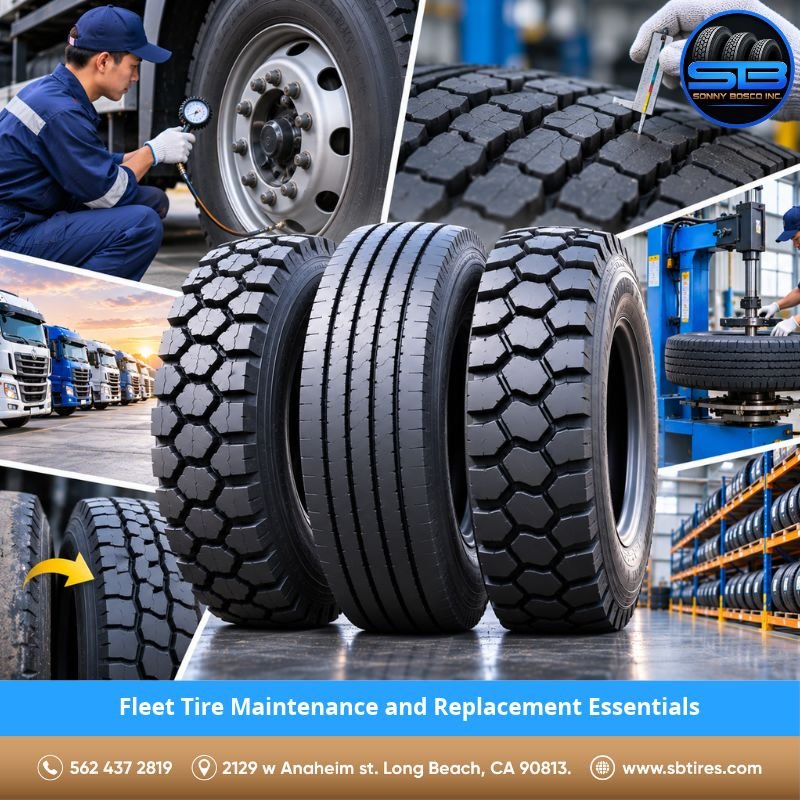
Regular fleet tire maintenance helps commercial fleet operators reduce premature tire wear, improve road safety, and minimize unexpected downtime. A structured maintenance program should include tire inspections, wear monitoring, and timely replacements based on vehicle specifications and operating conditions.
- Tire Pressure Inspection: Check cold tire inflation pressure regularly and follow the manufacturer’s load and inflation recommendations.
- Tread Depth Monitoring: Maintain at least 4/32 inch of tread depth on front tires and 2/32 inch on other applicable positions, as required under 49 CFR 393.75.
- Tire Damage Inspection: Look for cuts, bulges, exposed cords, and other visible damage that may affect tire safety.
- Tire Rotation and Alignment: Monitor uneven wear patterns and perform rotation or alignment adjustments when appropriate for the vehicle and tire application.
- Preventive Tire Replacement: Plan replacements based on tread depth, tire condition, and inspection records rather than waiting for roadside failures.
- Tire Inventory Management: Track tire sizes, specifications, and spare inventory to ensure suitable replacements are available when needed.
Fleet Tire Cost Management and Lifecycle Planning
Fleet tire cost management involves tracking how much tires cost to purchase, maintain, and use throughout their service life. Accurate records make it easier to compare products and plan future purchases.
Calculate Fleet Tire Cost Per Mile
Tire cost per mile measures tire-related expenditures against the mileage delivered during a defined period.
Tire Cost Per Mile = Total Tire-Related Cost / Total Miles Traveled
The following example uses hypothetical figures and the same cost categories for both options.
| Cost Metric | Tire A | Tire B |
| Total tire-related cost | $520 | $680 |
| Miles traveled | 130,000 | 200,000 |
| Cost per mile | $0.0040 | $0.0034 |
Extend Tire Life Through Preventive Maintenance
Routine maintenance can help prevent premature tire wear and preserve usable service life.
Important activities include:
- Pressure inspections: Maintain inflation levels appropriate for load and tire specifications.
- Wear monitoring: Record tread depth and investigate unexpected changes.
- Mechanical maintenance: Address alignment, suspension, and loading problems.
- Casing inspections: Check casing condition when evaluating repair or retread eligibility.
Maintenance results depend on tire design, operating conditions, and the condition of the vehicle.
Manage Tire Inventory and Replacement Budgets
A clear inventory record helps fleets purchase the correct tires and prepare for scheduled replacements.
Track the following information:
- Tire specifications: Sizes, load ratings, product codes, and intended applications.
- Stock quantities: Available tires and minimum inventory requirements.
- Usage history: Replacements and consumption by vehicle or fleet segment.
- Purchasing records: Order quantities, costs, and supplier details.
Fleet Tire Solutions for Different Commercial Applications
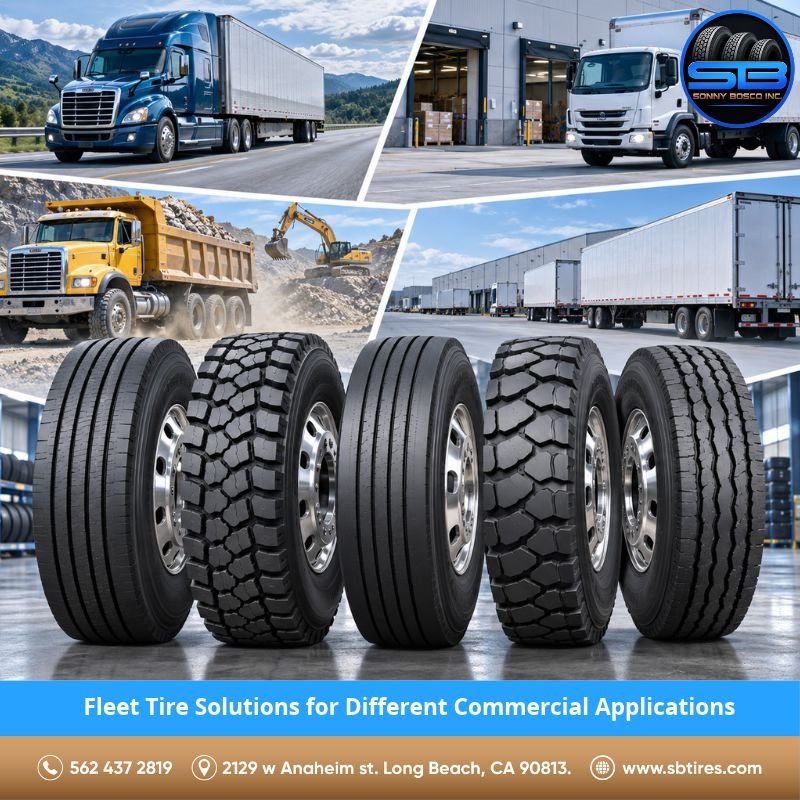
Different commercial fleets require tires suited to their operating conditions, vehicle loads, and driving environments. Choosing the right tire for each application helps improve durability, maintain vehicle performance, and reduce unnecessary replacement costs.
- Long-Haul Trucking Fleets: Prioritize long tread life, even wear, and suitable rolling resistance for extended highway transportation.
- Regional Transportation Fleets: Choose tires with reliable traction, wear resistance, and durability for routes involving frequent stops and varying road conditions.
- Local Delivery Fleets: Consider tires designed to handle repeated braking, acceleration, tight turns, and urban driving conditions.
- Heavy-Duty Truck Fleets: Select tires with appropriate load ratings, casing strength, and tread designs for demanding transportation applications.
- Industrial and Construction Fleets: Evaluate specialty tires with suitable traction and resistance to cuts, punctures, and rough working surfaces.
- Port and Yard Operations: Choose tires based on equipment specifications, operating speeds, load requirements, and maneuvering conditions.
Why Choose SONNY BOSCO for Your Fleet Tire Needs?
SONNY BOSCO provides commercial truck tires and related products for transportation companies, fleet managers, and commercial tire buyers. Based in Long Beach, California, we help customers explore tire options that match their vehicle specifications and operating requirements.
- Commercial Tire Selection: Radial tires, bias tires, and related accessories for different vehicle applications.
- Fleet Tire Solutions: Tire options for commercial trucks, heavy-duty vehicles, and fleet operations.
- Product Information: Tire sizes, load ratings, and application details to support purchasing decisions.
- Bulk Order Inquiries: Contact our team to discuss tire quantities, specifications, and product availability.
- Direct Product Support: Assistance with tire selection and commercial tire inquiries.
- Contact SONNY BOSCO: Call 562-437-2819, email Sbvnopt@gmail.com, or visit us at 2129 W Anaheim St, Long Beach, CA 90813. Website: sbtires.com.
Frequently Asked Questions About Fleet Tire Management
What is fleet tire management?
Fleet tire management is the process of selecting, inspecting, maintaining, replacing, and tracking tires across commercial vehicles. It helps fleet operators monitor tire condition, plan purchases, manage operating costs, and reduce avoidable tire-related downtime.
How often should commercial fleet tires be inspected?
Drivers should inspect tire condition as part of required pre-trip vehicle safety checks. More detailed inspections of inflation pressure, tread depth, and wear patterns should follow an established maintenance schedule. Inspection frequency depends on vehicle use, mileage, operating conditions, and applicable safety requirements.
How can fleet managers reduce tire costs?
Fleet managers can control tire costs by choosing appropriate products, maintaining correct inflation pressure, monitoring tread wear, and scheduling replacements based on inspection findings. Comparing tire cost per mile under similar operating conditions also helps identify products that provide better long-term value.
What is the difference between steer, drive, and trailer tires?
Steer tires support directional control on the front axle. Drive tires transmit engine power to the road, while trailer tires support trailer loads and experience scrubbing forces during turns. Tire selection must also account for load ratings, manufacturer approvals, and vehicle requirements.
How do I choose commercial truck tires for my fleet?
Start with the tire size, load capacity, axle position, and vehicle manufacturer’s specifications. Then consider operating routes, road conditions, and expected mileage. Compare compatible products based on technical specifications and total operating cost rather than purchase price alone.
Where can I request a fleet tire quote in Long Beach, CA?
You can contact SONNY BOSCO at 2129 W Anaheim St, Long Beach, CA 90813. Call 562-437-2819 or email Sbvnopt@gmail.com with your tire sizes, vehicle requirements, and order quantities to inquire about available products and request a quote.
Choosing tires for a commercial fleet requires the right balance of vehicle compatibility, operating conditions, and long-term cost. With a consistent fleet tire management approach, businesses can make better replacement and purchasing decisions. Explore available commercial tire products at SONNY BOSCO or call 562-437-2819 to discuss your fleet tire requirements.