


A worn or mismatched truck brake drum can quickly take a truck out of service, making the right replacement essential for fleet operations. A brake drum provides the friction surface needed for the brake shoes to slow the vehicle, while choosing the correct replacement requires checking size, fitment, durability, and part number. SONNY BOSCO supplies brake drums for semi trucks, trailers, and commercial vehicles. Browse the products below or request a quote to confirm availability for your application.
Heavy-Duty Truck Brake Drums for Sale

Finding a replacement drum should not slow down your shop or dispatch schedule. Each brake drum listing at SONNY BOSCO is organized to help buyers compare products and confirm important specifications before ordering.
- Product photo: A clear image and full product name for quick identification.
- Part number: The SKU to compare with your existing drum or OEM records.
- Brake size: Diameter and width, such as 16.5″ × 7″.
- Stock status: Current pricing and availability, when available.
- Filters: Search or filter by size, brand, axle application, and part number.
- Next step: View product details, request a quote, or call 562-437-2819.
What Is a Truck Brake Drum and How Does It Work?
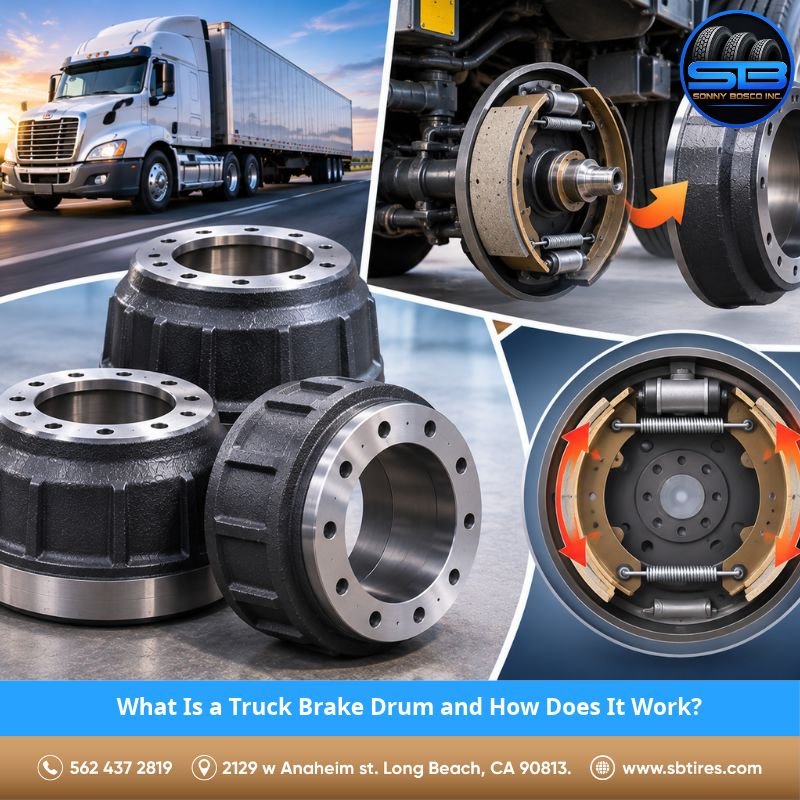
A truck brake drum is a cylindrical, typically cast-iron component mounted to the wheel hub that rotates with the wheel. When the driver applies the brakes, the brake shoes press against the drum’s inner surface, creating friction that slows the vehicle. Drum brakes remain widely used on heavy-duty trucks and trailers, particularly in air brake systems designed for demanding commercial applications.
- Air pressure: Compressed air enters the brake chamber when the brake pedal is pressed.
- Pushrod and slack adjuster: The brake chamber moves the pushrod, which operates the slack adjuster.
- S-cam: The slack adjuster rotates the S-cam, pushing the brake shoes outward.
- Brake shoes: The brake linings press against the drum’s inner friction surface.
- Friction and heat: Friction converts the vehicle’s kinetic energy into heat, which the drum absorbs and dissipates.
- Return springs: Springs retract the brake shoes when the brakes are released.
Types of Truck Brake Drums
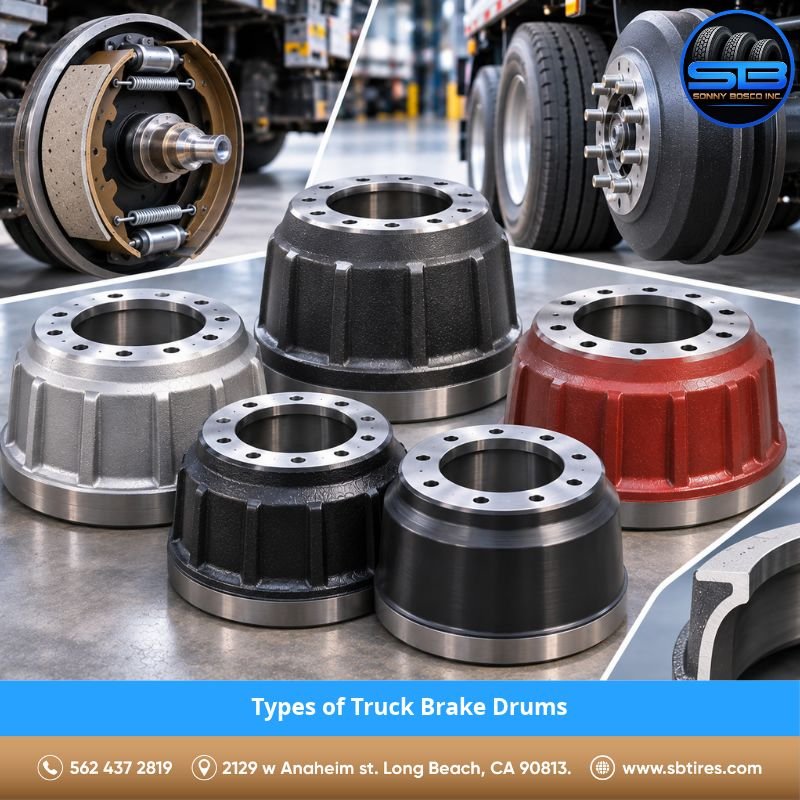
Commercial truck brake drums vary by material, weight, mounting configuration, and axle application. Understanding these differences helps buyers identify suitable replacement options before comparing specific part numbers.
- Cast-iron drums: Commonly used in heavy-duty applications for their durability, friction characteristics, and heat-handling capabilities.
- Lightweight drums: Designed to reduce component weight while meeting the requirements of specified vehicle applications.
- Drive axle drums: Available in sizes such as 16.5″ × 7″, depending on the vehicle and brake configuration.
- Trailer brake drums: Offered in different sizes and mounting configurations to match trailer axle and brake system requirements.
- Steer axle drums: Available in sizes such as 15″ × 4″ and other configurations, depending on the vehicle.
- Mounting style: Outboard-mounted and inboard-mounted drums have different installation requirements and should not be considered interchangeable without verifying fitment.
Truck Brake Drum Sizes and Specifications
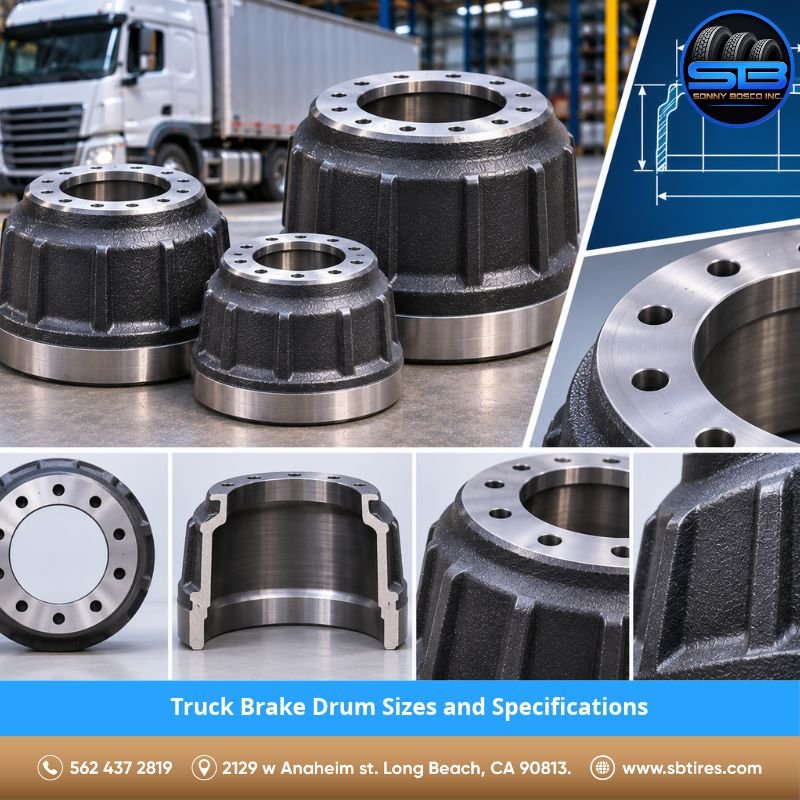
Brake drum size is commonly expressed as nominal diameter by brake width, but mounting dimensions are equally important. Checking the complete specifications before purchasing helps prevent incorrect orders and ensures proper compatibility with the vehicle’s braking system.
- Brake diameter: The nominal diameter of the internal braking surface where the shoes make contact.
- Brake width: The nominal braking surface width, which must match the specified brake shoe and lining configuration.
- Bolt pattern: The number of mounting holes and the bolt circle diameter required for the hub assembly.
- Pilot diameter: The center opening used to position the drum on the hub in applicable mounting configurations.
- Overall height: An important dimension for confirming the drum’s mounting position and clearance.
- Maximum diameter: The manufacturer’s specified maximum allowable internal diameter, which determines whether a worn drum remains serviceable.
Brake Drum Part Numbers and Cross-Reference
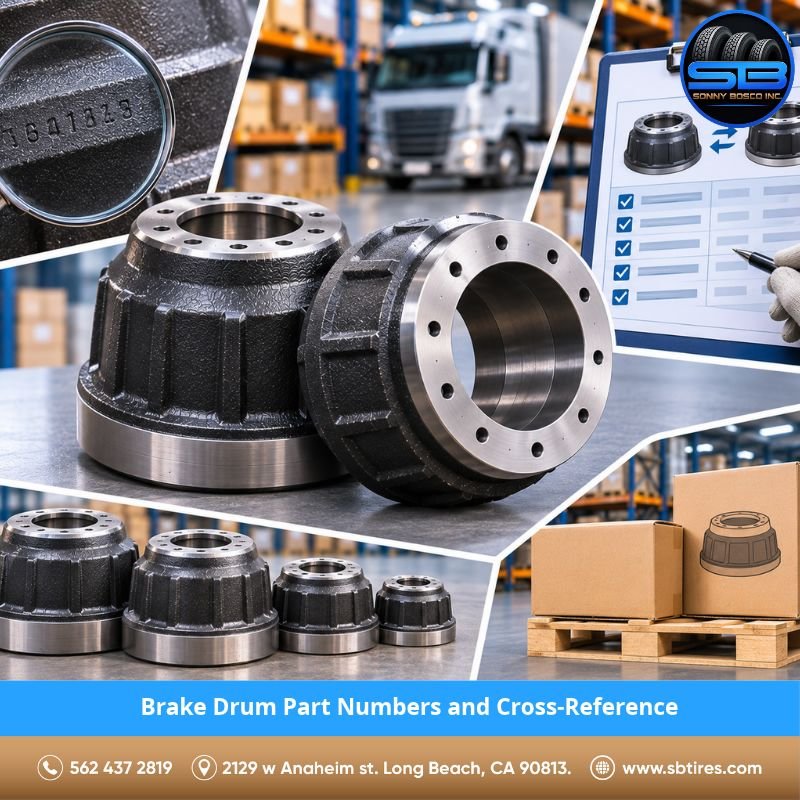
Part numbers are an important starting point when identifying replacement brake drums. Multiple manufacturers may offer drums for the same vehicle application, but a matching reference number should always be verified against the required dimensions and mounting specifications.
- Where to look: Part numbers or identification markings may be cast or stamped on the drum.
- Service records: Fleet maintenance records may include the part number of the previously installed drum.
- OEM codes: Part numbers associated with the original equipment manufacturer.
- Aftermarket codes: Replacement part numbers assigned by aftermarket manufacturers.
- Cross-reference: Confirm replacement compatibility using manufacturer documentation, dimensional specifications, and application data.
How to Choose the Right Truck Brake Drum

Selecting the right truck brake drum requires more than matching the nominal brake size. Vehicle configuration, hub design, mounting dimensions, and manufacturer specifications must all be considered to identify a compatible replacement.
- Vehicle details: Confirm the truck or trailer make, model, and year.
- Axle and hub: Check the axle position, axle rating, and hub assembly configuration.
- Size match: Compare brake diameter, width, and all relevant mounting dimensions.
- Material: Evaluate drum material and design according to the manufacturer’s requirements and intended operating conditions.
- Part number: Verify OEM and aftermarket part numbers using reliable manufacturer documentation.
- Avoid assumptions: Drums with the same nominal brake size may have different mounting configurations and may not be interchangeable.
Why Brake Drum Quality Matters for Commercial Trucks
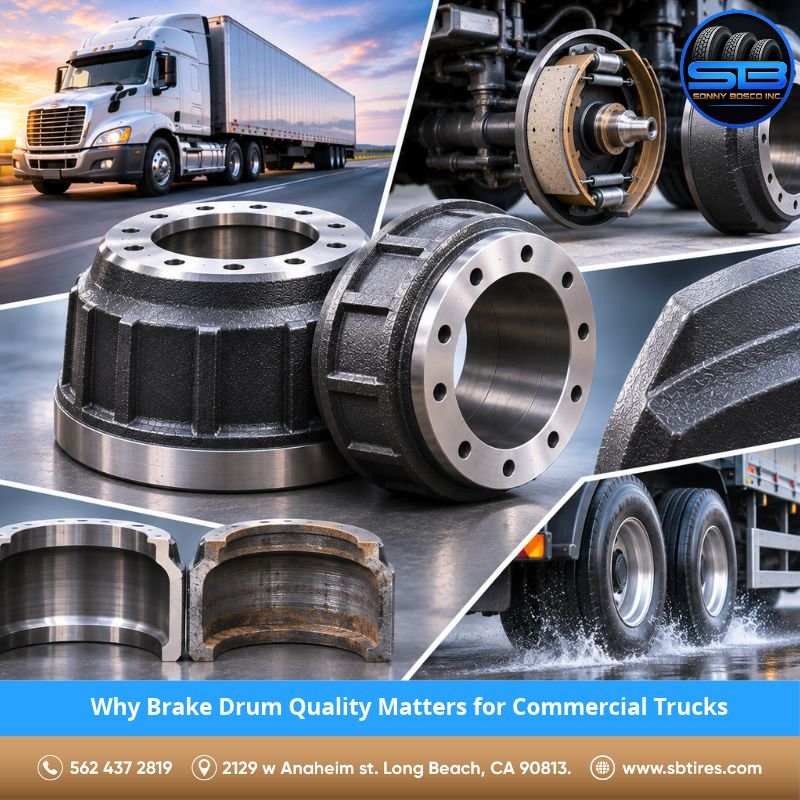
A truck brake drum operates under heavy loads, high temperatures, and repeated stop-and-go braking conditions. Proper material selection, manufacturing quality, and correct fitment contribute to dependable braking performance and can help fleets manage maintenance costs and vehicle downtime.
- Braking performance: Properly specified drums support consistent braking under the vehicle’s intended operating conditions.
- Heat resistance: Suitable materials and designs help manage heat generated during repeated braking.
- Wear resistance: Appropriate drum construction and maintenance can contribute to more consistent wear and service life.
- Fleet downtime: Correct fitment and regular inspections help reduce the risk of avoidable maintenance issues.
- Maintenance costs: Selecting compatible, quality components can help limit premature wear and related repair expenses.
Common Causes of Brake Drum Wear and Damage
Brake drums experience normal wear during operation, but certain driving conditions and maintenance issues can accelerate deterioration. Understanding these causes helps fleet managers identify potential problems before they lead to more extensive damage.
- Overheating: Extended downhill driving and repeated heavy braking can expose drums to excessive temperatures.
- Brake adjustment: Improper brake adjustment can contribute to uneven braking forces and abnormal wear.
- Worn linings: Severely worn brake linings may allow metal-to-metal contact, damaging the drum’s friction surface.
- Contamination: Oil or grease from leaking wheel seals can contaminate brake linings and affect braking performance.
- Overloading: Operating beyond the vehicle’s rated capacity increases demands on the braking system.
- Improper installation: Incorrect mounting procedures or uneven clamping forces may contribute to drum distortion and other wheel-end problems.
When Should You Replace a Truck Brake Drum?
There is no universal mileage interval for replacing every truck brake drum. Service life varies depending on vehicle load, operating conditions, driving habits, and maintenance practices. Replacement decisions should be based on inspections and the manufacturer’s service limits.
- Cracks: Structural cracks or other cracking conditions that exceed the manufacturer’s allowable limits.
- Heat damage: Severe heat checking, discoloration, or surface damage that requires further inspection.
- Oversize diameter: An internal drum diameter exceeding the manufacturer’s maximum allowable limit.
- Distortion: Excessive out-of-roundness, bell-mouth wear, or other dimensional irregularities.
- Braking problems: Vibration, pulling, or reduced braking performance that requires inspection of the complete brake system.
Brake Drum Maintenance Tips for Fleet Operators
Routine inspection and proper maintenance help fleet operators identify brake drum wear before it develops into a more serious problem. The following practices can be incorporated into a preventive maintenance program.
- Regular inspection: Examine brake drums and linings during scheduled maintenance and applicable brake inspections.
- Measure diameter: Use suitable measuring equipment to compare the internal diameter with the manufacturer’s service limit.
- Check adjustment: Inspect brake adjustment, slack adjusters, and pushrod stroke according to the brake system manufacturer’s procedures.
- Replace components correctly: Follow manufacturer recommendations for drum and brake shoe replacement, including applicable axle-end and friction material requirements.
- Repair leaks promptly: Address wheel seal leaks before oil or grease contaminates the braking components.
- Driver training: Encourage proper braking techniques and appropriate use of engine braking or auxiliary braking systems on long downhill grades.
Why Buy Truck Brake Drums from SONNY BOSCO?

SONNY BOSCO supplies commercial truck tires and heavy-duty truck parts from Long Beach, California. The company serves customers looking for replacement components for commercial vehicles, including individual truck owners, trucking businesses, parts distributors, and fleet maintenance operations.
- Fitment support: Assistance with checking brake drum sizes, part numbers, and compatibility requirements.
- Commercial vehicle focus: Products intended for commercial truck and heavy-duty vehicle applications.
- Customer inquiries: Contact the team to check product availability, specifications, and current pricing.
- Address: 2129 W Anaheim St, Long Beach, CA 90813.
- Phone: 562-437-2819.
- Email: Sbvnopt@gmail.com.
- Website: https://sbtires.com/.
Frequently Asked Questions About Truck Brake Drums
What is a truck brake drum?
A truck brake drum is a cylindrical metal component that rotates with the wheel. In a drum brake system, brake shoes press against its inner surface to create friction and slow the vehicle.
What is the difference between a brake drum and a brake rotor?
A brake drum is used in drum brake systems, where brake shoes press outward against an internal friction surface. A brake rotor is used in disc brake systems, where brake pads clamp against the rotor’s friction surfaces.
How do I find the correct brake drum size for my truck?
Check the part number on your existing brake drum and verify the nominal brake diameter, width, bolt pattern, pilot diameter, and mounting dimensions. Compare these details with the manufacturer’s specifications for your axle and hub assembly.
Are semi truck and trailer brake drums interchangeable?
Some brake drums may fit multiple applications, but interchangeability depends on the complete specifications and manufacturer-approved fitment information. The vehicle type or nominal brake size alone is not enough to confirm compatibility.
Should I replace brake drums and brake shoes together?
Brake drums should be inspected whenever brake shoes are replaced. Whether the drums also require replacement depends on their condition, measurements, and manufacturer service limits. Follow the applicable brake system manufacturer’s recommendations.
Can a truck brake drum be resurfaced?
Some brake drums may be eligible for resurfacing if the manufacturer permits it and the finished dimensions remain within specified service limits. Drums with disqualifying cracks, excessive wear, or other unsafe conditions must be replaced.
How much does a truck brake drum cost?
Truck brake drum prices vary by size, manufacturer, construction, and part number. Contact SONNY BOSCO at 562-437-2819 to check current pricing and availability for the replacement drum you need.
How do I know if my truck brake drum needs replacing?
A brake drum may require replacement if inspections reveal disqualifying cracks, excessive heat damage, significant distortion, or wear beyond the manufacturer’s limits. A qualified technician should evaluate the drum and related braking components before determining the appropriate repair.
Choosing the right truck brake drum helps maintain dependable braking performance and supports efficient fleet maintenance. If you need assistance identifying the correct size or part number, contact SONNY BOSCO to check compatibility, pricing, and availability. Call 562-437-2819 or visit sbtires.com to request a quote today.


