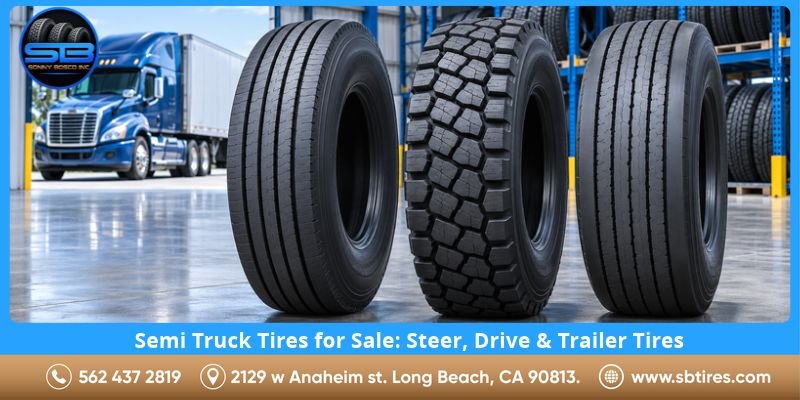
Every mile a loaded truck travels puts pressure on its tires, making the right commercial truck tires essential for vehicle safety, uptime, and cost per mile. For fleet managers and owner-operators, choosing tires involves more than finding the right price. Tire size, load range, axle position, and operating conditions all affect performance and long-term value.
SONNY BOSCO supplies DRC commercial tires to transportation companies, fleet operators, truck owners, and tire distributors. We help customers identify suitable tire sizes, match products to their applications, and request quotes. Explore the tire categories, common sizes, technical specifications, and pricing factors below to find the right options for your fleet.
Browse Commercial Truck Tires
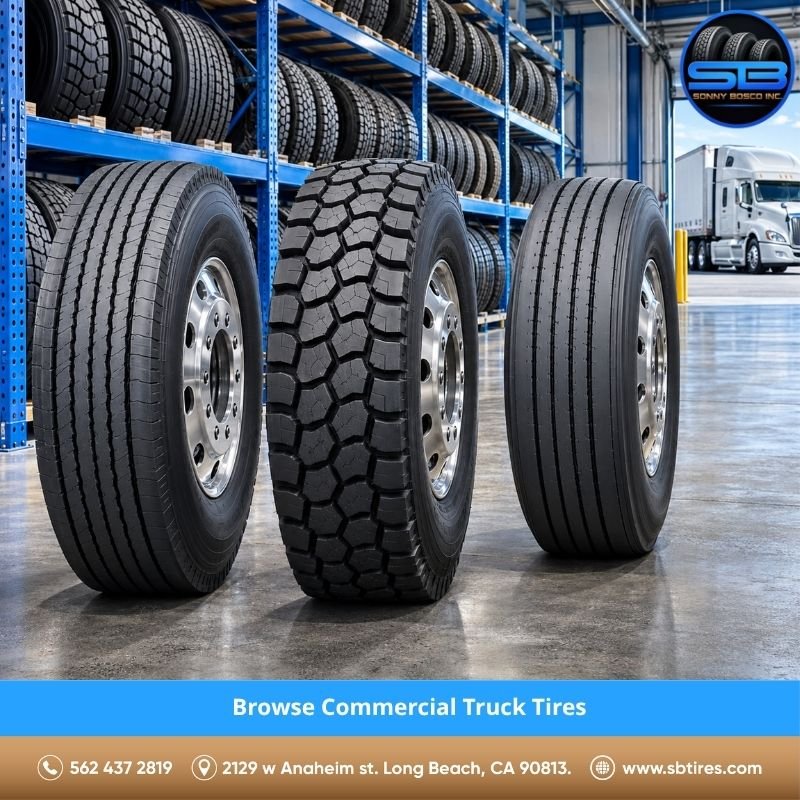
Use the filters below to narrow your search and find tires that match your trucks and operating requirements.
- Tire Size: Filter by the size marked on your current tire’s sidewall, such as 11R22.5 or 295/75R22.5;
- Tire Position: Choose steer, drive, trailer, or all-position tires;
- Application: Select long-haul, regional, urban delivery, or mixed-service applications;
- Load Range: Find tires that meet your vehicle’s axle load requirements;
- Availability: Check which tire sizes are currently in stock or available to order.
Types of Commercial Truck Tires by Position

Each axle on a commercial truck serves a different purpose, and tire designs vary accordingly. Steer tires prioritize handling and stability, drive tires provide traction, and trailer tires are designed to support heavy loads. All-position tires offer additional flexibility for approved applications.
The following table compares the main characteristics of each tire category.
Steer Tires for Commercial Trucks
Steer tires are mounted on the front axle and play an important role in steering response, directional stability, and overall vehicle handling. The right tread design also helps promote even wear during highway and regional operations.
- Steering stability: Rib tread patterns and reinforced shoulders help maintain straight-line tracking and predictable handling;
- Even tread wear: Shoulder designs that resist irregular wear can extend tire service life and help preserve the casing for potential retreading;
- Directional control: Responsive handling is especially important during lane changes, crosswinds, and emergency braking;
- Typical applications: Long-haul tractors operating on interstate highways and regional trucks traveling on mixed highway and city routes;
- Safety minimum: FMCSA regulations generally require at least 4/32″ of tread depth on the front tires of applicable commercial motor vehicles. Plan tire replacement before reaching the legal minimum;
Drive Tires for Commercial Trucks
Drive tires transfer engine power to the road, making traction, durability, and load-handling performance essential. Different tread patterns are designed to meet the demands of highway transportation, regional hauling, and challenging road conditions.
- Traction: Deeper lugs and biting edges help maintain grip on wet pavement, ramps, and loading yards;
- Load handling: Drive tires support heavy axle loads while transferring torque during acceleration;
- Closed-shoulder tread: Suitable for many highway applications where even wear, mileage, and quieter operation are priorities;
- Open-shoulder tread: Often preferred for regional, wet, or challenging road conditions where additional traction is important;
Commercial Trailer Tires
Commercial trailer tires support a significant portion of the vehicle’s cargo weight while rolling behind the tractor. These tires must withstand heavy loads, lateral forces during turns, and extended highway operation.
- Load capacity: Trailer tires must have sufficient load capacity for the trailer’s axle ratings and operating requirements;
- Tread durability: Rib tread patterns and durable rubber compounds help resist irregular wear and tire scrub during tight turns and docking maneuvers;
- Highway operation: Low-rolling-resistance designs can help reduce fuel consumption during long-distance dry van and refrigerated trailer operations;
- Regional operation: Durable sidewall construction can help resist curb-related damage on routes involving frequent turns and backing maneuvers;
- California compliance: Applicable California trailer tire requirements should be reviewed to determine whether specific trailers need SmartWay-verified low-rolling-resistance tires. Confirm each tire model’s verification status and current regulatory requirements;
All-Position Commercial Truck Tires
All-position tires are designed for use on multiple approved axle positions, providing flexibility for fleet operators and commercial vehicle owners. However, compatibility depends on each tire model’s specifications and the manufacturer’s recommendations.
- Inventory flexibility: Using compatible tire models across multiple applications can reduce the number of SKUs fleets and service shops need to stock;
- Common applications: Medium-duty trucks, vocational vehicles, and mixed fleets operating on different routes;
- Approved positions: Always review the manufacturer’s specifications to confirm which axle positions are approved before mounting the tire;
Commercial Truck Tire Sizes and Specifications
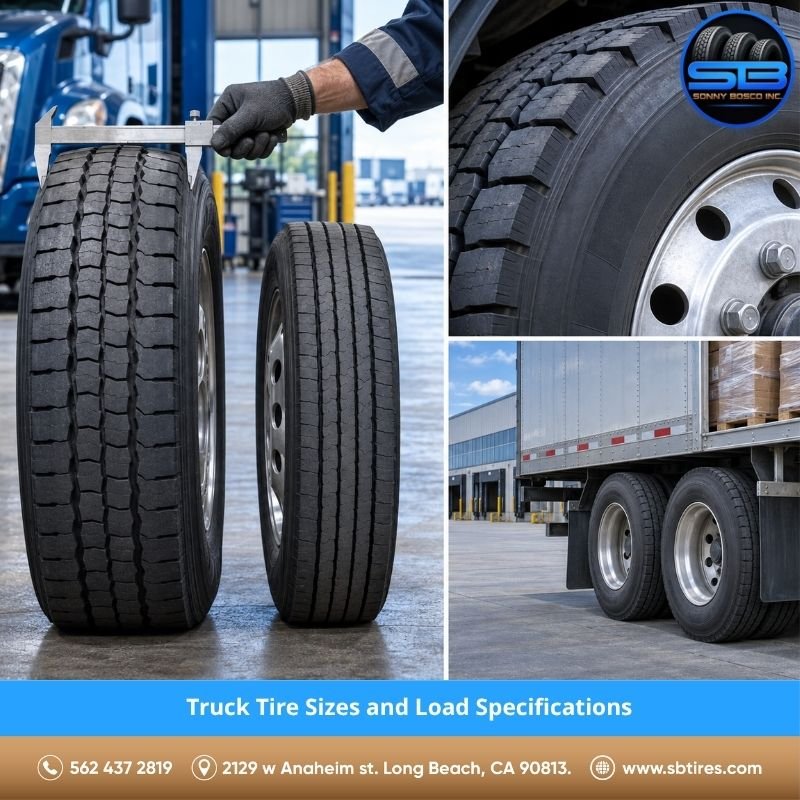
Choosing the correct commercial truck tire size is essential for proper fitment, load capacity, and vehicle performance. Many Class 6–8 commercial trucks in the United States use standard tire sizes, but the appropriate option depends on the vehicle, axle configuration, and operating requirements.
Common Commercial Truck Tire Sizes
The following table highlights commonly used commercial truck tire sizes, along with typical load ranges and applications.
| Tire Size | Typical Load Range | Common Application | Availability |
| 11R22.5 | G, H | Class 8 tractors and trailers; multiple axle positions | [Update inventory] |
| 295/75R22.5 | G, H | Low-profile applications on tractors and trailers | [Update inventory] |
| 11R24.5 | G, H | Class 8 tractors and trailers requiring a larger overall tire diameter | [Update inventory] |
| 385/65R22.5 | J, L | Wide-base trailer and steer axle applications, where approved | [Update inventory] |
| 225/70R19.5 | F, G | Medium-duty box trucks and delivery vehicles | [Update inventory] |
Understanding Load Range, Ply Rating, and Tire Specifications
Commercial tire sidewalls contain important information about size, construction, and performance. Understanding these markings helps buyers select tires that meet their vehicles’ requirements.
- Size marking: In 295/75R22.5, 295 indicates the nominal section width in millimeters, 75 represents the aspect ratio, R indicates radial construction, and 22.5 refers to the rim diameter in inches;
- Load range: Letters indicate load-carrying classifications. Common conventional equivalents include F (12-ply rating), G (14-ply rating), H (16-ply rating), and J (18-ply rating). These are rating equivalents, not necessarily the actual number of plies;
- Load index: Numbers such as 144/142 indicate the tire’s rated load capacity in single and dual configurations;
- Speed rating: A letter such as L or M identifies the tire’s maximum rated speed under specified conditions;
- Tread pattern: Rib, lug, and hybrid tread designs help indicate the tire’s intended applications and performance characteristics;
- Approved axle position: Manufacturer specifications identify the axle positions and applications for which each tire model is designed;
- Specification sheets: [Insert link: Product Specification Sheets].
Commercial Truck Tires for Different Applications
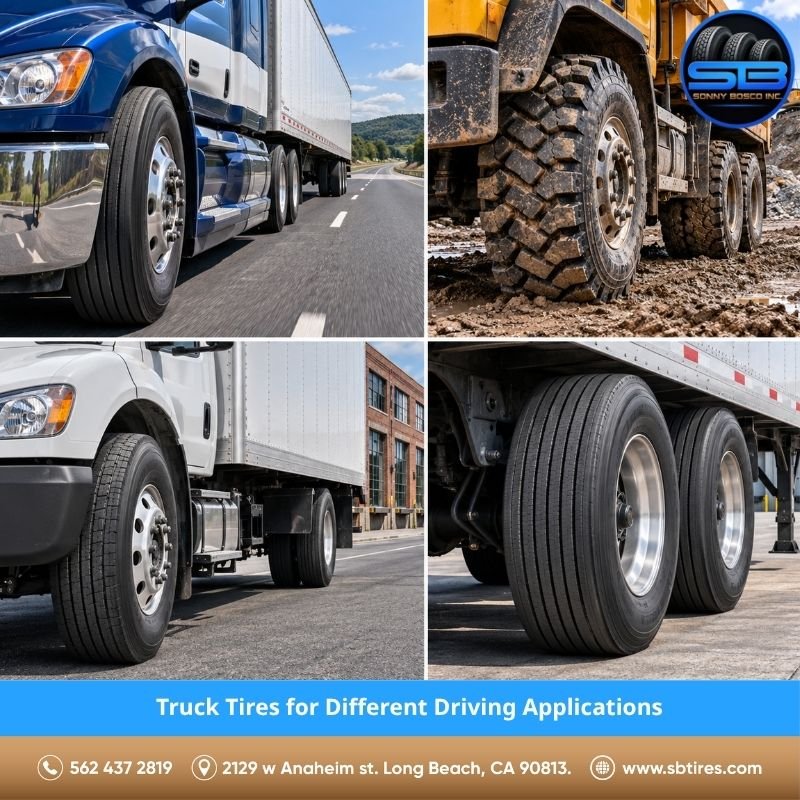
Operating conditions significantly influence tire performance, tread wear, and long-term operating costs. Highway transportation, regional delivery, and mixed-service operations place different demands on commercial truck tires.
Selecting tires based on route characteristics, road surfaces, and vehicle applications can help fleets achieve better performance and reduce unnecessary replacement costs.
Long-Haul and Highway Truck Tires
Long-haul truck tires are designed for extended highway operation, consistent driving speeds, and high annual mileage. These applications typically prioritize durability, fuel efficiency, and predictable tread wear.
- Mileage: Durable tread compounds and optimized patterns help support longer service life;
- Rolling resistance: Low-rolling-resistance designs can help reduce fuel consumption over long distances;
- Heat control: Tire casings are designed to manage heat buildup during sustained highway driving;
- Retreadability: Suitable casings may support retreading when they meet inspection and eligibility requirements, potentially reducing long-term tire costs.
Regional Haul and Local Delivery Truck Tires
Regional and local delivery trucks operate on a combination of highways, city streets, and distribution routes. Frequent stops, turns, and loading activities create different tire wear patterns compared with long-haul transportation.
- Scrub resistance: Durable tread compounds help withstand the lateral forces generated during tight turns and loading dock maneuvers;
- Sidewall protection: Reinforced sidewalls can help resist damage caused by curb contact in urban environments;
- Traction on varied roads: Tread patterns balance grip, wear resistance, and handling across changing road conditions;
- Common vehicles: Day-cab tractors, box trucks, beverage delivery vehicles, and parcel delivery trucks.
Mixed-Service and Heavy-Duty Truck Tires
Mixed-service and heavy-duty trucks frequently operate on construction sites, gravel roads, muddy surfaces, and paved highways. These environments require tires designed to withstand demanding conditions and potential damage from road debris.
- Cut and chip resistance: Specialized tread compounds help resist damage caused by rocks and abrasive surfaces;
- Aggressive tread patterns: Deep lugs improve traction on loose ground, muddy surfaces, and uneven job-site roads;
- Durable casings: Heavy-duty construction supports demanding load conditions within the tire’s rated capacity;
- Typical applications: Dump trucks, concrete mixers, logging trucks, and mixed-service fleets operating on both paved and unpaved roads.
DRC Commercial Truck Tires Available Through SONNY BOSCO

SONNY BOSCO focuses on DRC commercial tires, providing buyers with product options designed for different vehicle types, axle positions, and operating conditions. Clear specifications help fleet operators and tire distributors compare models before making purchasing decisions.
DRC Tire Models and Product Specifications
Each DRC tire model should include detailed product information to help buyers evaluate compatibility, performance characteristics, and available configurations.
- Product images: Clear photographs showing the tread pattern, sidewall, and overall tire design;
- Tire sizes: Available sizes, load ranges, and load indexes for each model;
- Tread patterns: Steer, drive, trailer, or all-position designs, according to manufacturer specifications;
- Approved applications: Long-haul, regional, or mixed-service applications as specified by DRC;
- Model list: [Insert verified DRC tire models with links to individual product pages].
Choosing DRC Tires for Fleet and Trucking Operations
Selecting DRC tires for commercial fleets involves matching technical specifications with the demands of daily operations. Fleet managers should consider several factors before comparing available models.
- Axle position: Confirm that each model is approved for the intended steer, drive, or trailer axle;
- Operating conditions: Choose tread patterns suited to the vehicle’s routes, climate, and road surfaces;
- Tire performance: Compare tread depth, load capacity, and available rolling-resistance information;
- Purchasing requirements: Consider order quantities, delivery schedules, product availability, and recurring replacement needs.
Commercial Truck Tire Prices and Wholesale Quotes
New commercial truck tires in the United States may cost approximately 250–700 per tire, depending on size, brand, model, load range, and intended application. Actual prices can vary considerably, so businesses should request current pricing for the specific products they need.
Factors That Affect Commercial Truck Tire Prices
Several factors influence the purchase price of commercial truck tires. Understanding these differences can help fleet managers and distributors compare products more effectively.
- Tire size: Wide-base tires and models requiring larger rims may cost more, depending on their specifications;
- Brand and model: Premium, mid-tier, and value-oriented products typically have different pricing structures;
- Load range: Tires designed for higher load capacities may require different construction and materials, which can influence pricing;
- Order quantity: Larger purchases may qualify for volume pricing, depending on supplier terms;
- Current availability: In-stock tire sizes may offer shorter fulfillment times, while special orders can involve additional costs or lead times.
Note: The prices above are general market estimates for reference only. Final prices may vary due to availability, shipping costs, tariffs, and other market conditions. For an accurate quote based on your required tire sizes and quantities, contact SONNY BOSCO at 562-437-2819.
Bulk Commercial Truck Tire Orders for Fleets and Distributors
Fleet operators, trucking companies, and tire distributors often purchase tires in larger quantities to support ongoing maintenance and replacement needs. SONNY BOSCO can be contacted to discuss product availability and purchasing requirements for commercial orders.
- Multi-tire orders: Provide the sizes, axle positions, and quantities required for one or more vehicles;
- Recurring purchases: Ask about supply options for fleets with predictable tire replacement schedules;
- Distributor pricing: Tire dealers and resellers can inquire about wholesale terms and larger order quantities;
- Quote information: Include the delivery location, required quantities, and preferred timeline to help streamline the quotation process.
How to Choose the Right Commercial Truck Tires
Choosing the right commercial truck tires requires more than comparing prices. Tire compatibility, load capacity, driving conditions, and long-term operating costs should all be considered before placing an order.
Follow these six steps to identify suitable options for your vehicles.
- Step 1 – Confirm tire size: Check the size marked on the existing tire and verify it against the vehicle manufacturer’s specifications;
- Step 2 – Identify axle position: Determine whether the tire is intended for a steer, drive, trailer, or approved all-position application;
- Step 3 – Check load and speed ratings: Verify that the selected tire meets the vehicle’s load requirements and operating speed conditions;
- Step 4 – Match the tread pattern: Choose a design suited to your routes, road surfaces, and driving conditions;
- Step 5 – Compare total operating costs: Consider purchase price, expected mileage, fuel efficiency, and potential retread value;
- Step 6 – Request a quote: Confirm product availability and contact SONNY BOSCO with your tire specifications and required quantities.
Why Choose SONNY BOSCO for Commercial Truck Tires?
SONNY BOSCO is a U.S.-based supplier of DRC commercial truck tires, providing tire solutions for trucking companies, fleet operators, and distributors. With a focus on product quality, reliable sourcing, and customer support, SONNY BOSCO helps businesses find tires that match their vehicles and operating needs.
- DRC Commercial Truck Tires: A selection of DRC tires for various truck types, axle positions, and driving conditions.
- Product Specifications: Clear information on tire sizes, load ratings, tread patterns, and applications.
- Fleet and Wholesale Supply: Tire purchasing options for trucking companies, fleet operators, and distributors.
- Product Consultation: Assistance with tire selection, pricing inquiries, and availability.
- Convenient Long Beach Location: Located at 2129 W Anaheim St, Long Beach, CA 90813.
For commercial truck tire pricing and availability, contact SONNY BOSCO at 562-437-2819 or email Sbvnopt@gmail.com. Visit sbtires.com for more information.
Frequently Asked Questions About Commercial Truck Tires
What is the difference between steer, drive, and trailer tires?
Steer tires typically feature rib tread patterns designed for directional stability and steering control. Drive tires often use deeper lug or block tread patterns to provide traction on powered axles. Trailer tires are designed to support heavy loads while resisting tread wear caused by turning and lateral forces.
What are the most common commercial truck tire sizes?
Common commercial truck tire sizes in the United States include 11R22.5, 295/75R22.5, 11R24.5, 385/65R22.5, and 225/70R19.5. The correct size depends on the vehicle, axle configuration, rim specifications, and load requirements.
How much do commercial truck tires cost?
New commercial truck tires may cost approximately 250–700 each, although prices vary by brand, tire size, load range, and application. Contact SONNY BOSCO for current pricing and product availability.
How do I choose the right commercial tires for my fleet?
Start by confirming the required tire size, axle position, load capacity, and operating conditions. Compare compatible models based on tread design, durability, and total cost per mile rather than purchase price alone.
Can I buy commercial truck tires in bulk?
Yes. Fleet operators, trucking companies, and tire distributors can contact SONNY BOSCO to inquire about larger tire orders and available wholesale pricing options. Provide the required tire sizes, quantities, and delivery location to request a quote.
Where can I buy commercial truck tires in Long Beach, CA?
You can contact SONNY BOSCO at 2129 W Anaheim St, Long Beach, CA 90813, to inquire about DRC commercial truck tires. Call 562-437-2819 for product information, current pricing, and availability.
Choosing the right commercial truck tires can help improve vehicle safety, promote even tread wear, and reduce long-term operating costs. With DRC tire options for different commercial applications, SONNY BOSCO helps fleet managers, trucking companies, and distributors identify products that meet their requirements.
To request a quote, provide your preferred tire size, quantity, vehicle application, and purchasing details. Contact SONNY BOSCO for product information and current availability.
- Phone: 562-437-2819;
- Email: Sbvnopt@gmail.com;
- Address: 2129 W Anaheim St, Long Beach, CA 90813;
- Website: https://sbtires.com/.